


Buying Oven
Add a review FollowOverview
-
Founded Date October 8, 1931
-
Sectors Heavy Engineering
-
Posted Jobs 0
-
Viewed 3
Company Description
A Look Into The Future: What Will The Oven Hob Industry Look Like In 10 Years?
Understanding Oven Hobs: The Heart of Culinary Crafting
In the realm of modern-day kitchen areas, the oven hob sticks out as an indispensable home appliance. Not just is it a central element for preparing a range of meals, however it also affects kitchen looks, performance, and effectiveness. This short article looks into the types of oven hobs, their features, benefits, and upkeep pointers. Additionally, it addresses some often asked concerns to offer a comprehensive understanding of this important kitchen device.
Kinds Of Oven Hobs
Oven hobs can be classified into numerous types based upon their energy source and design. Understanding these variations can help customers make notified decisions when picking the ideal hob for their kitchen needs.
1. Gas Hobs
Gas hobs utilize gas or propane as fuel, providing accurate temperature level control and instant heat. They are preferred by lots of chefs for their capability to supply visual feedback through flame.
Pros:
- Quick heat-up time.
- Precise temperature level modifications.
- Compatible with all kinds of cookware.
Cons:
- Requires a constant gas supply.
- Safety interest in open flames.
- Requires more maintenance.
2. Electric Hobs
Electric hobs are powered by electrical energy and feature smooth glass or ceramic surface areas. They often come in 2 types: coil and strong.
Pros:
- Sleek appearance.
- No open flames, lowering safety risks.
- Easy to clean.
Cons:
- Slower to warm up and cool off.
- May require particular pots and pans (induction).
- Some might have irregular heat circulation.
3. Induction Hobs
Induction hobs use electromagnetic energy to directly warm pots and pans. They only work with ferromagnetic pots and pans.
Pros:
- Very energy-efficient.
- Quick heating & cooling times.
- Safe, as the surface stays reasonably cool.
Cons:
- Limited to particular types of cookware.
- Higher preliminary cost.
- Can produce noise when in use.
4. Strong Plate Hobs
These electric hobs feature strong metal plates that warm up and retain heat for cooking.
Pros:
- Durable and trustworthy.
- Simple operation.
Cons:
- Takes time to heat up.
- Less effective than induction and gas designs.
| Hob Type | Heat Source | Looks | Upkeep |
|---|---|---|---|
| Gas Hobs | Gas | Standard | Moderate |
| Electric Hobs | Electrical power | Modern/Sleek | Low |
| Induction Hobs | Electromagnetic | Contemporary | Low |
| Strong Plate Hobs (Www.Ogallagher.Link) | Electrical power | Traditional | Average |
Features to Consider When Choosing an Oven Hob
When picking the ideal oven hob for your kitchen, there are several vital functions to take into consideration. These consist of:
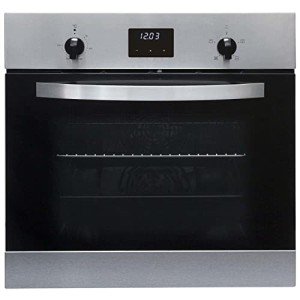
- Size: Ensure the hob fits the designated space in your kitchen.
- Variety of Burners: Consider your cooking style and how lots of burners you’ll need.
- Control Type: Look for easy to use controls, whether touch-sensitive or knobs.
- Safety Features: Many modern-day hobs consist of security steps like flame failure devices or kid locks.
- Energy Efficiency: Choose energy-efficient designs to save money on energy costs and decrease your ecological impact.
Advantages of Using an Oven Hob
The oven hob offers a number of benefits that cater to both amateur cooks and professional chefs. Here are some crucial benefits:
- Versatility: Whether boiling, frying, simmering, or sautéing, an oven hob accommodates numerous cooking techniques.
- Convenience: Many hobs come with additional features like timers and automated shut-off systems for included convenience in hectic kitchens.
- Improved Cooking Control: The immediate heat actions of gas and induction hobs permit much better control over cooking temperatures.
- Style Enhancement: Modern hobs can improve the overall visual of a kitchen, including a contemporary touch.
Upkeep Tips for an Oven Hob
To guarantee the longevity and efficiency of an oven hob, proper maintenance is important. Here are some upkeep suggestions:
Regular Cleaning:
- Use a soft cloth and mild cleaning agent to clean surface areas after each usage.
- For induction and ceramic hobs, prevent abrasive cleaners to avoid scratching.
Look for Wear and Tear:
- Inspect rubber seals and connections in gas hobs frequently for any damages or leakages.
- Guarantee electrical connections are protected in electric hobs.
Professional Servicing:
- Schedule periodic maintenance contact a qualified professional to prevent major problems.
The oven hob is a vital part in any kitchen, acting as a centerpiece for cooking undertakings. Whether picking gas, electric, or induction, understanding the different types, functions, and upkeep requirements is important for making a well-informed choice. A well-chosen hob not just improves cooking efficiency however likewise improves the total kitchen experience.
Often Asked Questions (FAQs)
1. What kind of hob is best for a beginner?
Electric hobs are often preferred by newbies due to their ease of usage and maintenance.
2. Can I utilize all pots and pans on an induction hob?
No, induction hobs require ferromagnetic cookware for them to work appropriately.
3. How do I understand if my gas hob is working effectively?
Regularly look for even flame circulation and listen for any hissing sounds that may suggest leakages. If in doubt, consult a professional.
4. Is a greater price always much better for hobs?
Not always. While higher-priced designs might provide sophisticated functions, a number of mid-range products supply outstanding performance and longevity.
5. Can I install a hob myself?
It is recommended to work with an expert, specifically for gas hobs, due to safety issues and local guidelines.
By comprehending the subtleties of oven hobs, home cooks can make a knowledgeable choice that lines up with their cooking aspirations and kitchen styles. Choosing the best hob boosts both the cooking experience and kitchen looks, making it a key investment for any home.