


Cot Sets
Add a review FollowOverview
-
Founded Date February 20, 1972
-
Sectors Heavy Engineering
-
Posted Jobs 0
-
Viewed 6
Company Description
How Baby Beds Was Able To Become The No.1 Trend In Social Media
The Ultimate Guide to Baby Beds: Choosing the Right Sleep Solution for Your Little One
Inviting a brand-new baby into your family is an exciting and life-changing experience. However, it likewise comes with the obligation of guaranteeing their safety and convenience. Among the vital purchases for any anticipating parent is a baby bed. Given the range of options available, choosing the ideal bed can be frustrating. This guide aims to streamline the process by breaking down your choices, highlighting crucial security considerations, and answering common questions.
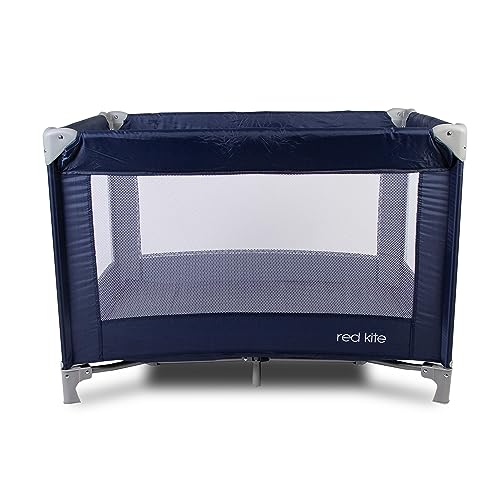
Types of Baby Beds
When it comes to baby beds, a number of options accommodate different requirements and preferences. Below is a table that classifies the most typical kinds of baby beds.
| Kind Of Baby Bed | Description | Pros | Cons |
|---|---|---|---|
| Crib | A basic baby bed that is tough and enclosed. | Long lasting, lasting, safe. | Large, costly. |
| Mini Crib | A smaller version of a basic crib. | Space-saving, portable choices. | Limited life expectancy. |
| Bassinet | A small, portable bed for babies, typically with a rocking feature. | Lightweight, easy to move. | Outgrown quickly, less long lasting. |
| Co-sleeper | A bedside sleeper that attaches to the moms and dads’ bed. | Promotes bonding, easy access. | Needs enough bed space. |
| Playard | A versatile portable baby crib that can be used for playtime. | Multi-functional, travel-friendly. | Less firm mattress. |
| Cradle | A little, rocking bed for babies, normally set on a stand. | Provides mild rocking motion. | Restricted use duration. |
Each choice has its special features and advantages, making it vital for parents to consider their lifestyle, area, and budget when selecting.
Key Factors to Consider
When selecting a baby bed, Cribs beds it is essential to consider a number of elements to ensure the safety and convenience of your baby. Here are some essential aspects to keep in mind:
1. Safety Standards
Ensure that the baby cots on sale bed meets security standards set by regulative bodies. Try to find accreditations like the Consumer Product Safety Commission (CPSC) label to validate it complies with safety guidelines.
2. Size and Space
Assess the space available in your house. If you have a compact living location, you might prefer a small baby Best Crib or a co-sleeper. Conversely, if you have ample room, a basic baby crib might be better.
3. Bed mattress Quality
A firm, well-fitting bed mattress is vital for a safe sleep environment. Avoid soft mattresses, pillows, or blankets, as these can pose suffocation dangers.
4. Durability
Consider the products used in the bed building. Strong wood baby cribs are typically more resilient than those made from particleboard, ensuring longevity as your child grows.
5. Convenience and Portability
If you prepare to take a trip or move the bed frequently, opt for portable choices like playards or bassinets that are easy to assemble and disassemble.
6. Aesthetic appeals
While safety is the main concern, the style and color of the baby bed may also matter to parents. Select a style that complements your nursery cots design.
Popular Brands
Below is a list of some popular brands providing a variety of baby beds that have actually made favorable reviews for security and quality:
- Graco
- Babyletto
- Delta Children
- Serta
- DaVinci
- Chicco
Each brand offers a variety of designs and features, so moms and dads can discover something that fits their requirements.
Frequently Asked Questions (FAQs)
1. When should I transition my baby from a bassinet to a crib?
Many experts advise transitioning your baby from a bassinet to a baby crib when they reach the weight limitation (generally around 15-20 pounds) or start to roll over, usually between 3 to 6 months of age.
2. How do I guarantee my baby’s crib is safe?
To guarantee your baby’s baby crib is safe, follow these standards:
- Ensure the crib meets CPSC requirements.
- Use a fitted bed mattress that fits snugly.
- Avoid positioning any soft toys, blankets, or bumpers inside the crib.
- Regularly look for loose screws or broken slats.
3. Can I utilize a second-hand crib?
While it might be cost-effective, using second-hand cribs can be risky. Guarantee it fulfills current security regulations which there are no remembers on the model. It would assist if you also checked for any wear and tear.
4. The length of time will my baby sleep in a crib?
Many children shift from a baby crib to a young child bed in between 2 and 3 years of age. However, some may remain in a crib longer if it still fulfills security requirements and your child’s needs.
5. What is a “safe sleep environment” for my baby?
A safe sleep environment consists of:
- A firm bed mattress with a fitted sheet.
- No soft toys, pillows, or blankets.
- A baby crib free from bumper pads.
- Placing your baby on their back to sleep.
Choosing the right baby bed is one of the most crucial choices new moms and dads will make. By comprehending the different types of baby beds, evaluating crucial factors like safety, sturdiness, and convenience, and thinking about trusted brand names, moms and Nursery Essentials dads can ensure they develop a safe and comfortable sleeping environment for their child. Ultimately, whether deciding for a baby crib, bassinet, or playard, the right choice will contribute considerably to the wellness and crib sets, happiness of both the baby and the moms and dads.
With careful consideration and preparation, you can browse this important purchase with confidence, ensuring your kid gets the relaxing sleep they need for healthy advancement.